 En
En 

Mikor hagyták abba a vezérműszíj használatát az autókban? Idővonal – GUL-TZ
A rövid válasz: Nincs egyetlen „Stop” év
Ha pontosan azt az évet keresi, amikor az autógyártók abbahagyták a vezérműszíjak használatát, nem talál ilyet, mert nem létezik egyetlen megállóév . A vezérműszíjakról a vezérműláncokra való váltás fokozatosan történt, gyártónként és motorcsaládonként, nagyjából négy évtizeden keresztül. A 2010-es évek közepén már a vezérműláncok voltak a többségi választások az új, főbb személygépjárművek motorjaiban. A szíjak azonban soha nem tűntek el teljesen: bizonyos motorokhoz továbbra is gyártják őket, és még mindig több tízmillió szíjhajtású autó közlekedik.
Vezérműszíj és vezérműlánc: mi a különbség?
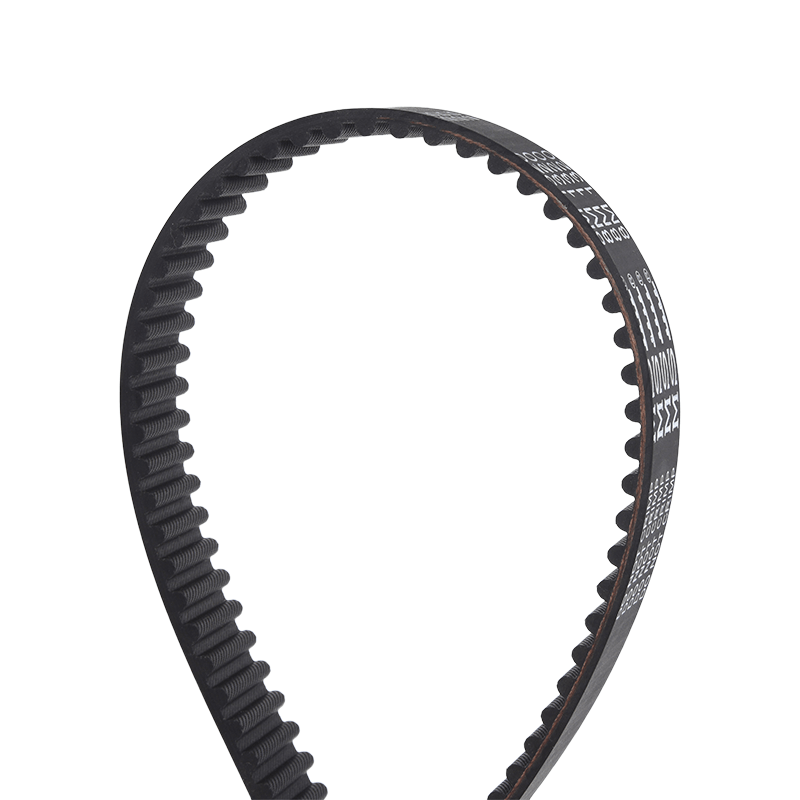
Ahhoz, hogy megértsük, miért változott meg az iparág, és miért nem változott meg teljesen, érdemes azzal kezdeni, hogy az egyes technológiák valójában mit is csinálnak. A vezérműszíj egy megerősített gumi szinkronszíj, amely tökéletes szinkronban tartja a főtengely és a vezérműtengely(ek) forgását, így a motorszelepek a dugattyú mozgásához képest pontosan a megfelelő pillanatban nyílnak és zárnak. A vezérműlánc ugyanazt a munkát végzi, de fém láncszemekből épül fel, és sokkal hosszabb élettartamra tervezték. A mélyebb magyarázatért tekintse meg útmutatónkat mi az a vezérműszíj és hogyan működik .
A kompromisszumok egyértelműek:
- Övek: csendesebbek, könnyebbek, olcsóbb a gyártás, és nincs szükségük motorolajra a kenéshez. Hátránya a kopás: az övet rendszeresen cserélni kell.
- Láncok: sokkal hosszabb élettartamú, általában normál körülmények között kitartja a motor élettartamát. Hátránya: nehezebb, zajosabb, drágább az építése, és lényegesen drágább a csere, ha valami elromlik.
Egy tipikus szíjcsere 60 000-100 000 mérföld, vagy nagyjából 4-10 év, az autógyártó ajánlásától függően. Ezzel szemben a láncoknak általában nincs szükségük ütemezett cserére. De ha egy láncrendszer elhasználódik, különösen a feszítő vagy a vezetők, a javítási számla eltörpülhet a szíjcsere költsége mellett.
Van még egy fontos tényező: a motor architektúrája. Interferenciamotorban a dugattyúk és a szelepek különböző időpontokban ugyanazt a helyet foglalják el. Ha egy szíj vagy lánc elszakad, a szelepek összeütközhetnek a dugattyúkkal, meghajlíthatják a szelepeket, károsíthatják a dugattyúkat, súlyos esetekben pedig az egész motort tönkretehetik. Éppen ezért a törött öv nem csak kellemetlenség; pénzügyi katasztrófa lehet.
Miért fogadták el az öveket: Gyors történelem az 1940-es évektől az 1970-es évekig
A vezérműszíjakat nem költségvetési parancsikonként vezették be. Valódi mérnöki problémát oldottak meg. Az első szinkron szíjat Gates találta fel 1945-ben, eredetileg ipari gépekhez. 1954-ben Bill Devin megépítette az első szíjhajtású felső vezérműtengelyes (OHC) versenymotort. Tizenkét évvel később, 1966-ban a Pontiac beépítette az első szíjhajtású OHC-motort egy amerikai autóba, a Pontiac 6 hengeresbe. Az 1960-as évek elején kifejlesztett Fiat 124 ikerbütykös motor a szíjhajtású vezérműtengelyek másik korai bevezetése volt.
Az érvelés világossá válik, ha megnézzük hogyan működik egy autós vezérműszíj . Az OHC-motorok jobb szelepvezérlést és nagyobb fordulatszámot biztosítanak, mint a tolórúd-konstrukciók, de a felső vezérműtengely láncos meghajtásához túlnyomásos olaj, pontos feszítés és összetett csomagolás szükséges. A fogazott gumiszíj nem igényel olajfürdőt, csendesen fut, olcsóbb, és leegyszerűsíti a motor teljes elejét. Ezek az előnyök az 1970-es és 1980-as években gyorsan elterjedtek, különösen az ázsiai és európai személygépkocsikban.
Visszatérés a láncokhoz: Idővonal az 1980-as évektől a 2020-as évekig
A láncokhoz való visszatérés nem egy pillanat alatt következett be. Lassan bontakozott ki, a különböző autógyártók nagyon eltérő sebességgel haladtak.
1980-as és 1990-es évek: Korai visszatérés és a karbantartási tényező
Szinte amint az övek általánossá váltak, az autógyártók felfedeztek egy problémát: az övek ütemezett karbantartást igényelnek. A 60 000 mérföldes csereintervallum valódi tulajdonosi költséget jelentett az ügyfelek számára, és garanciális kockázatot jelentett a gyártók számára. Ha egy tulajdonos kihagyja a cserét, és eltörik az ékszíj, akkor az interferencia-motor károsodása súlyos lehet, és az autógyártó hírneve akkor is csorbulhat, ha a garancia nem terjed ki rá.
Egyes gyártók korán reagáltak. Bizonyos Nissan modellek már 1988-ban is használtak vezérműláncot. Ezt a korszakot leginkább vegyes időszakként lehet leírni: sok gazdaságos autó és új OHC-motor használt szíjat, míg más modellek, különösen az Egyesült Államok piacán, láncot tartottak. A két technológia éveken át együtt létezett a modellsorokon.
2000-2010-es évek: Az európai gyártók vezetik a láncátmenetet
A nagy gyorsulás az európai gyártóktól jött a 2000-es években. A Volkswagen-csoport 2000-es évek közepén bemutatott EA888-as motorcsaládja vezérműláncot használt, és hasonló döntések következtek a konszern motorkínálatában. A motiváció nagyrészt a teljes birtoklási költségen és a megbízhatóság hírnevén alapult: a motor élettartamán át tartó lánc kevesebb garanciális igényt és alacsonyabb meghirdetett karbantartási költségeket jelent.
A 2010-es évek közepére ez a tendencia összetéveszthetetlen volt. Az IHS Markit adatai, amelyeket az iparági vitákban széles körben idéztek, azt mutatták, hogy 2015-re az új főbb személygépkocsi-motorok több mint 60 százalékát a vezérműláncok tették ki. A japán gyártók megosztottabbak voltak: egyes motorcsaládok a szíjakon maradtak a költségek szabályozása érdekében, mások pedig a láncokra tértek át.
2010-es évek – Jelenkor: A láncok uralják az új formatervezést, de az övek maradnak
2010 óta az újonnan tervezett benzinmotorok többsége vezérműláncot használ. De a „legtöbb új dizájn” nem ugyanaz, mint a „minden új autó”. A Toyota például a 2010-es években továbbra is használt vezérműszíjat a 2AZ-FE motorcsaládjában, és a különféle költségérzékeny motorok, különösen a feltörekvő piacokon, még mindig használnak szíjat a gyártási költségek alacsonyan tartására. A regionális különbségek is számítanak: az észak-amerikai és európai vásárlók sokkal gyakrabban találkoznak lánchajtású motorokkal, mint egyes ázsiai piacokon.
| Era | Domináns technológia | Kulcsfontosságú események |
|---|---|---|
| 1960-1970-es évek | Bevezetett övek | A Pontiac és a Fiat vezeti az első szíjhajtású OHC-motorokat. |
| 1970-1980-as évek | Az övek széles körben elterjedtek | A költségek, a zaj és a csomagolás előnyei széles körben elterjednek a személygépkocsikban. |
| 1980-as évek vége – 1990-es évek | Vegyes | Néhány autógyártó, köztük a Nissan 1988-ra, visszatér a vezérműláncokhoz. |
| 2000-2010-es évek | A láncok felgyorsulnak | Az olyan európai márkák, mint a Volkswagen, láncokat tolnak be a főbb motorokba. |
| 2010-es évek – jelen | A láncok dominálnak | 2015-re az új motorok több mint 60%-a láncot használ; egyes platformokon továbbra is övek vannak. |
Miért nem tűntek el a vezérműszíjak (és miért számítanak még mindig)
Ha a láncok ennyire tartósak, miért léteznek még mindig övek? Mert az övek nem pusztán kompromisszumok; valódi előnyeik vannak, amelyekkel a láncok nem férhetnek hozzá.
A vezérműszíj a legtöbb esetben halkabban fut, mint a lánc. Könnyebb, ami csökkenti a forgó tömeget, és hozzájárul a valamivel jobb üzemanyag-hatékonysághoz. Nincs szüksége olajfürdőre, ami leegyszerűsíti a motor felépítését és csökkenti a gyártási költségeket. A nagy volumenű, költségérzékeny motorokat építő autógyártók számára továbbra is a jól megtervezett szíj a racionális választás. Ez az oka annak, hogy az övezet fejlesztése inkább folytatódik, mintsem felhagy.
A az autóipari vezérműszíjak legfontosabb előnyei túlmutat az áron, és az ékszíj minősége és a motor viselkedése közötti kapcsolat jól dokumentált, amint azt elemzésünkben kifejtettük hogyan befolyásolja a minőségi vezérműszíj a motor szinkronizálását és teljesítményét .
An there is the installed base. Hundreds of millions of belt-driven vehicles are still in service worldwide, and every one of them needs a new belt at some point. This is not a shrinking niche; it is steady, predictable demand. As a manufacturer, we see this firsthand. The autóipari vezérműszíjakat gyártunk csere- és utángyártott ügyfeleket szállít világszerte, és a minőségi szabványok folyamatosan emelkednek.
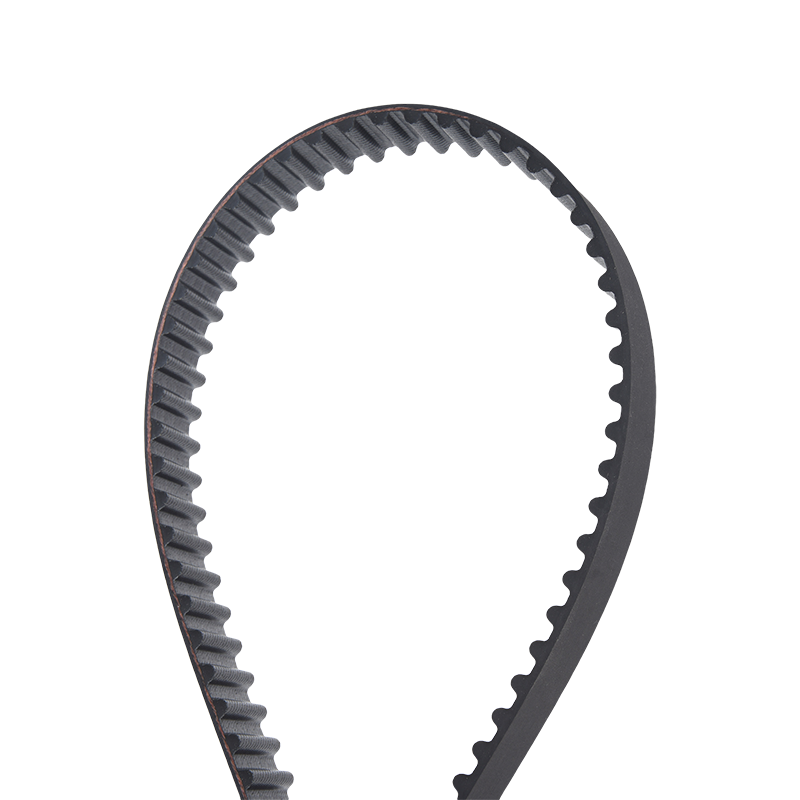 Nagykereskedelmi autóipari vezérműszíj gyártók, OEM gyár - Ningbo GUL TZ Rubbe Kínai nagykereskedelmi autóipari vezérműszíj-gyártók, OEM gumi autóipari vezérműszíj-gyár, Ningbo GUL TZ gumiszíj nagykereskedelmi ajánlat... Termék megtekintése →
 Az övek az autókon is túlnyúlnak. A szinkronszalagos technológia ipari gépeket, szállítószalag-rendszereket, csomagolósorokat és számtalan egyéb alkalmazást hajt meg. A miénk ipari vezérműszíj sorozat emlékeztet arra, hogy ez a technológia soha nem függött egyedül az autótól.
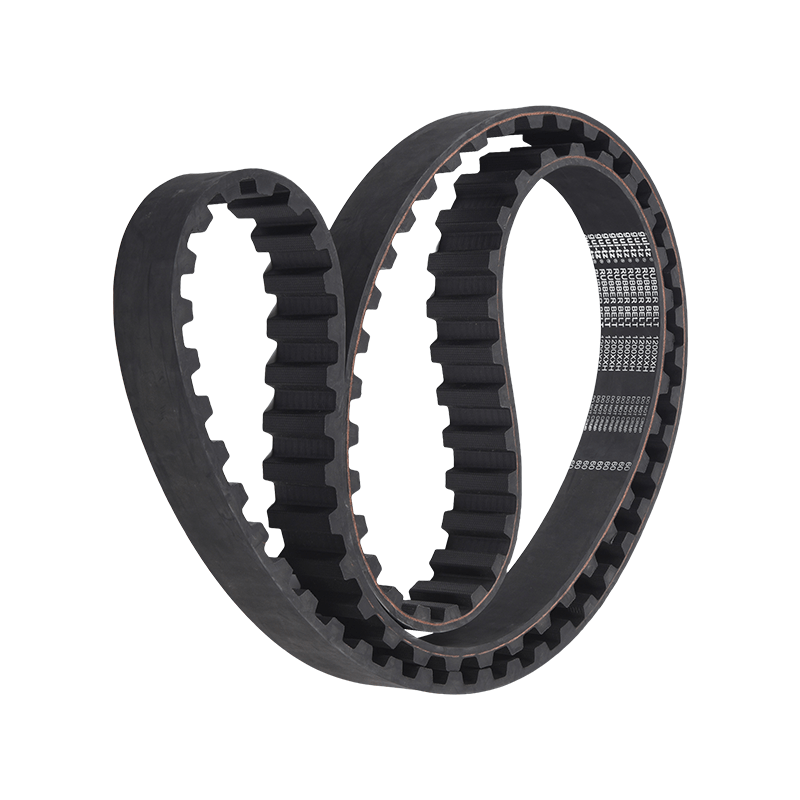 Egyedi T típusú ipari vezérműszíjak beszállítói, cég A Ningbo GUL TZ gumiszíj Co., Ltd. a kínai egyedi T típusú ipari vezérműszíjak beszállítója és a T típusú ipari vezérműszíjak vállalata. Termék megtekintése →
 Hogyan tudhatja meg, mit használ az autója – és mit jelent az Ön számára
Ha azt próbálja kideríteni, hogy autójában van-e vezérműszíj vagy vezérműlánc, a legmegbízhatóbb módszer a használati útmutató. Megmutatja a motor típusát és a szükséges szervizintervallumokat. Kérdezhetsz egy kereskedőt vagy hivatásos szerelőt is, vagy keresd meg a motorkódodat az interneten, mert a szíjhajtású motorok jól dokumentáltak adatbázisokban és fórumokon.
Egy gyors vizuális támpont: a vezérműszíj burkolata általában műanyag, míg a vezérműlánc burkolata jellemzően fém. Ez nem garancia, mivel egyes autók fém burkolatot használnak az övek felett, de hasznos első jelzés, amikor egy használt autót átvizsgálunk.
Ha autója szíjhajtású, ne hagyja ki a karbantartást. Kövesse a gyártó ütemezését, általában 60 000–100 000 mérföldet, és ne feledje, hogy a feszítőt, a feszítőgörgőket és gyakran a vízszivattyút is egyszerre kell cserélni. Mindkét témával részletesen foglalkozunk: mikor kell cserélni a jármű vezérműszíját és a kapcsolódó alkatrészeket kell cserélni a vezérműszíjjal együtt .
A láncos autók esetében a hírek többnyire jók: valószínűleg nem kell hozzányúlni a lánchoz normál használat közben. De figyeljen a motor eleje felől érkező zörgésre, különösen a régebbi, nagy futásteljesítményű járműveken. Ha a láncfeszítő meghibásodik vagy a vezetők elhasználódnak, a javítás sokkal többe kerül, mint egy szíjcsere, ezért kérjen meg egy szerelőt, hogy a rutinszerviz során ellenőrizze a láncrendszert.
A Bottom Line: One Industry, Two Valid Technologies
Are is no single year in which the automotive industry stopped using timing belts, and there will not be one in the foreseeable future. The accurate way to describe what happened is a transition: belts were widely adopted in the 1960s and 1970s, some manufacturers returned to chains in the late 1980s and 1990s, European brands accelerated that move in the 2000s, and by the 2010s, chains dominated new engine design. Today, most new engines use chains, but belts remain in service in millions of vehicles and in selected new engine platforms where cost, noise, and efficiency still matter.
Az, hogy ez mit jelent az Ön számára, attól függ, hogy mit vezet. Ha szíjhajtású autója van, az üzenet egyszerű: kövesse a csere ütemezését és a költségvetést. Ha használt autót vásárol, ellenőrizze a meghajtás típusát, mielőtt elkötelezné magát, és a várható karbantartást vegye figyelembe döntése során. Ha az iparban dolgozik technikusként, alkatrészvásárlóként vagy mérnökként, a kiváló minőségű övek iránti folyamatos kereslet annak a jele, hogy a technológia továbbra is releváns.
Ezt a két technológiát nem riválisnak, hanem egymást kiegészítő megoldásnak tekintjük. A láncok kiérdemelték a helyüket, az övek pedig a sajátjukat. Autóipari és ipari szinkronszíjak gyártójaként a GUL-TZ elkötelezett amellett, hogy a piac mindkét oldalát kiszolgálja. Ha szeretne mélyebbre ásni a vezérműszíj-karbantartással, vagy fel szeretne fedezni teljes kínálatunkat, böngésszen a kínálatunkban iparági hírkönyvtár vagy forduljon közvetlenül csapatunkhoz.
Forró termékek
-
 További megtekintése
-
 További megtekintése
Ékszíj Iparhoz
-
 További megtekintése
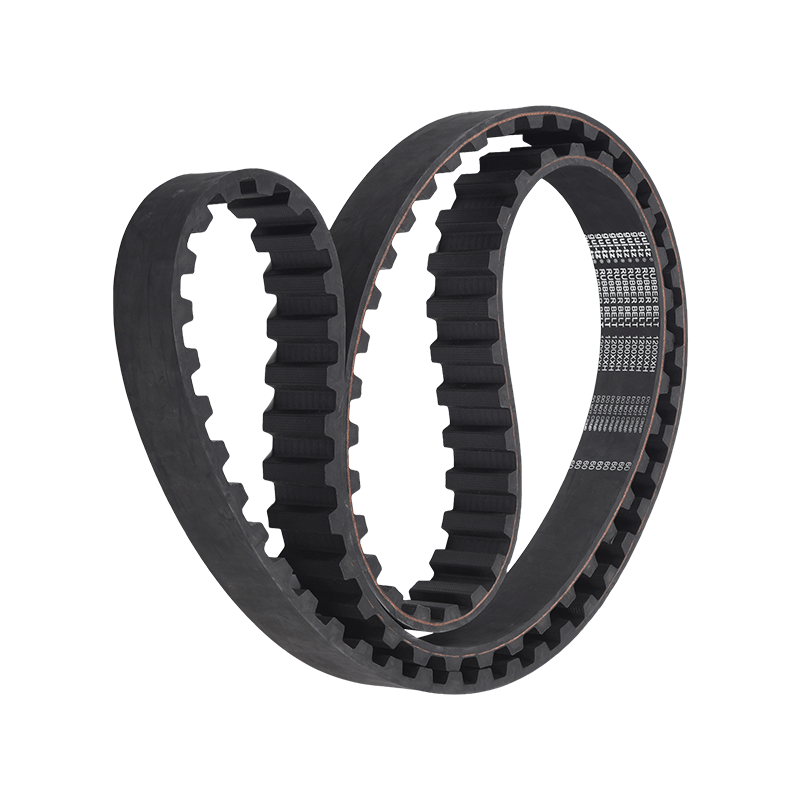
T típusú ipari gumi szinkron öv
-
 További megtekintése
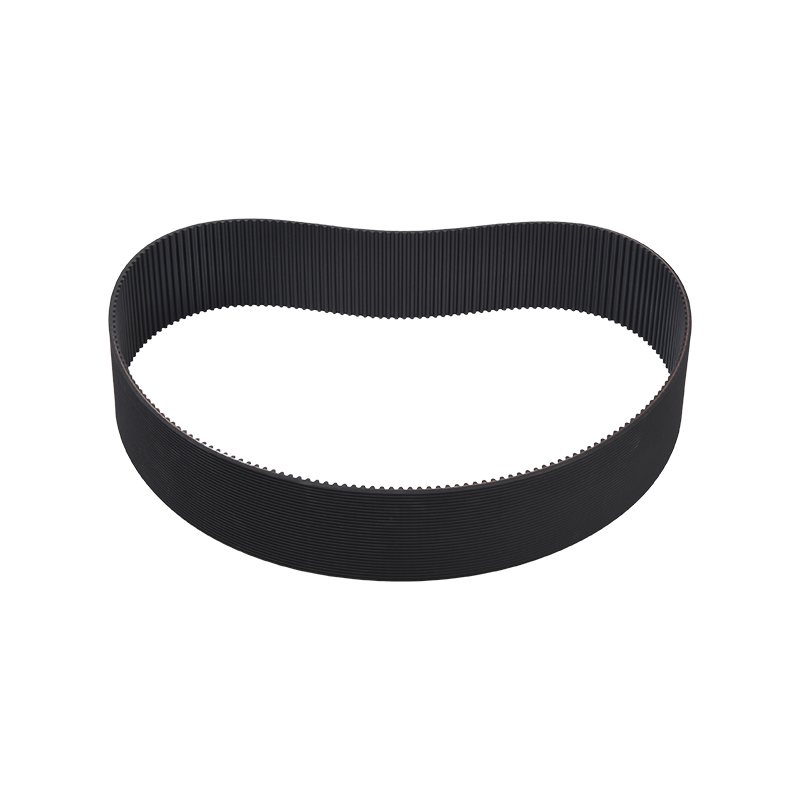
Fogazott ékszíj
-
 További megtekintése
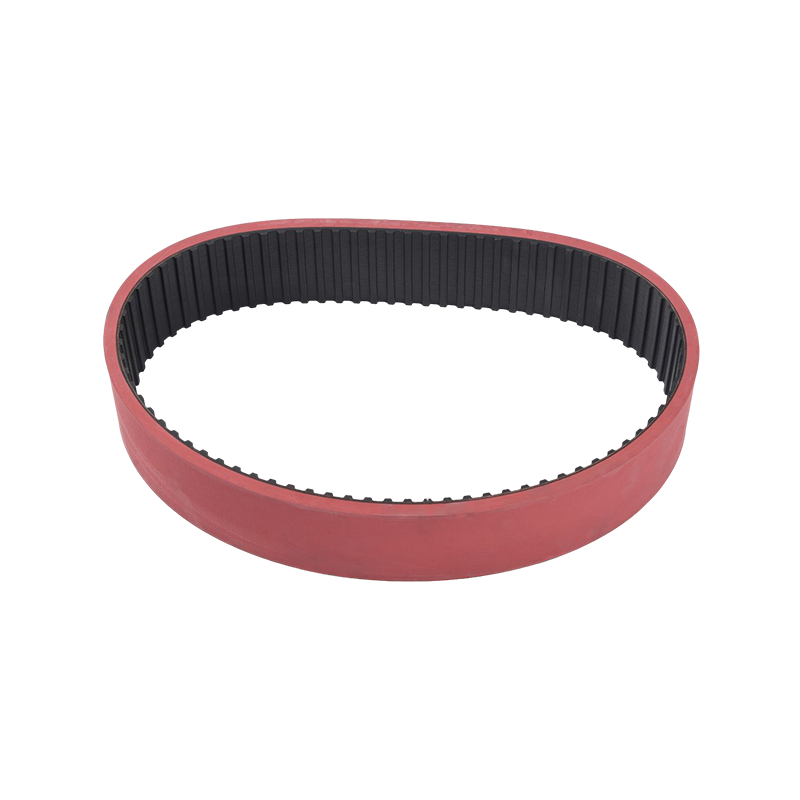
Megvastagított vezérműszíj
-
 További megtekintése
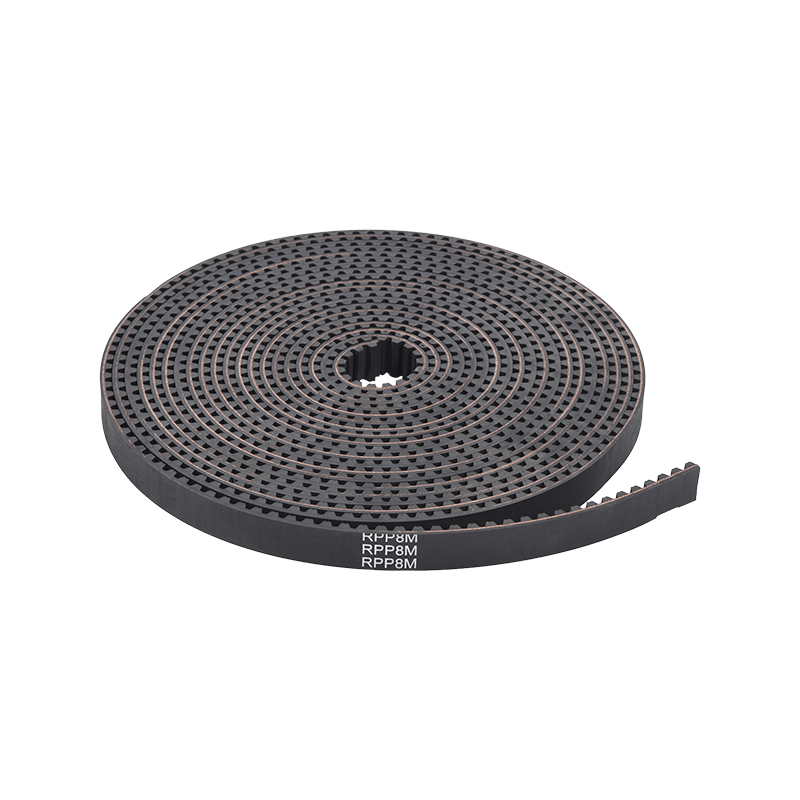
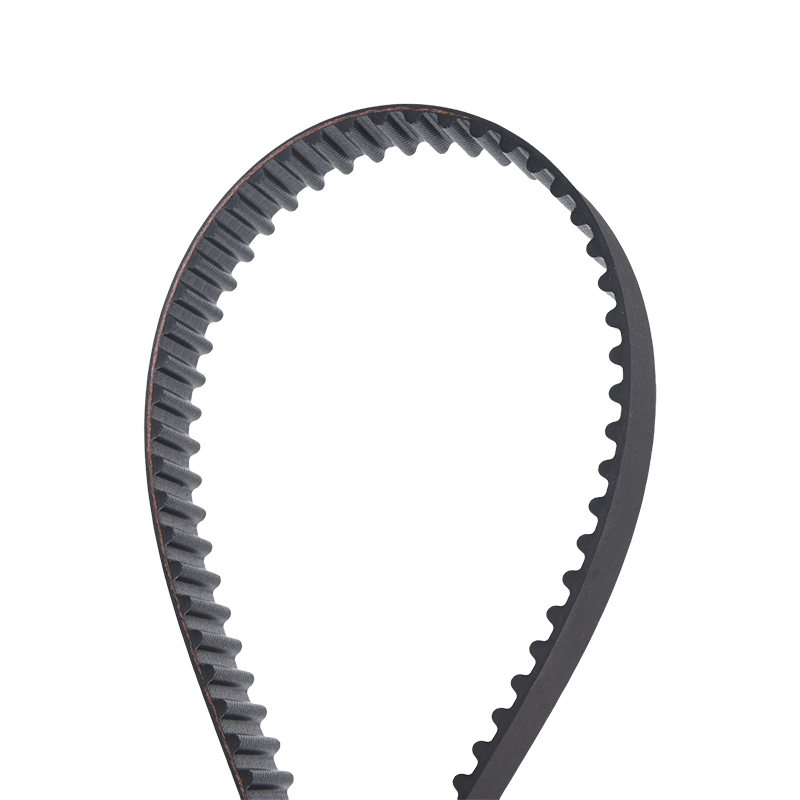
Nyissa ki a vezérműszíjat
-
 További megtekintése
Autóipari ékszíj
-
 További megtekintése
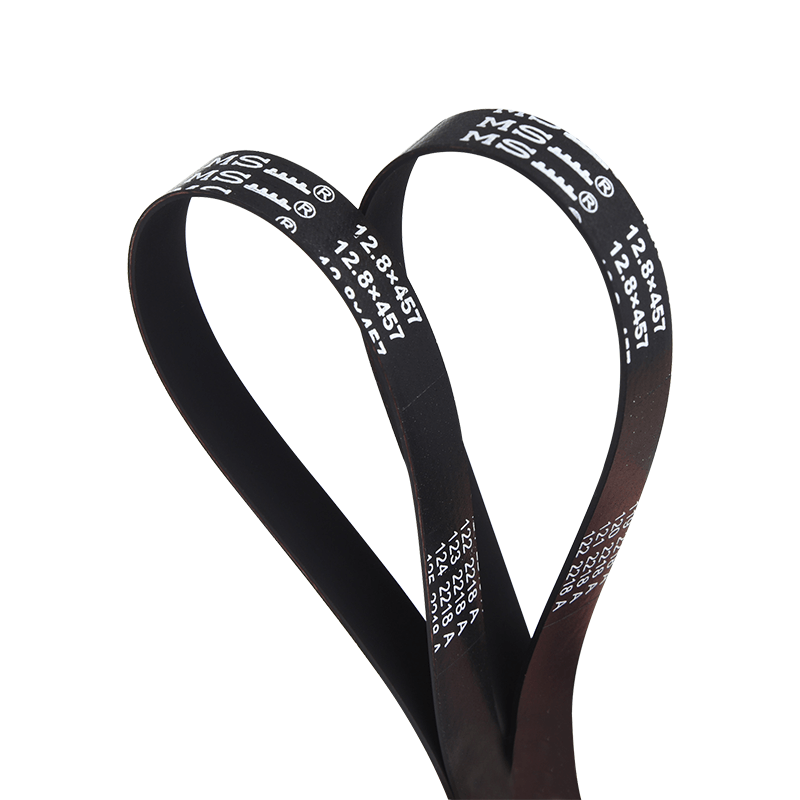
Gumi lapos öv
-
 További megtekintése
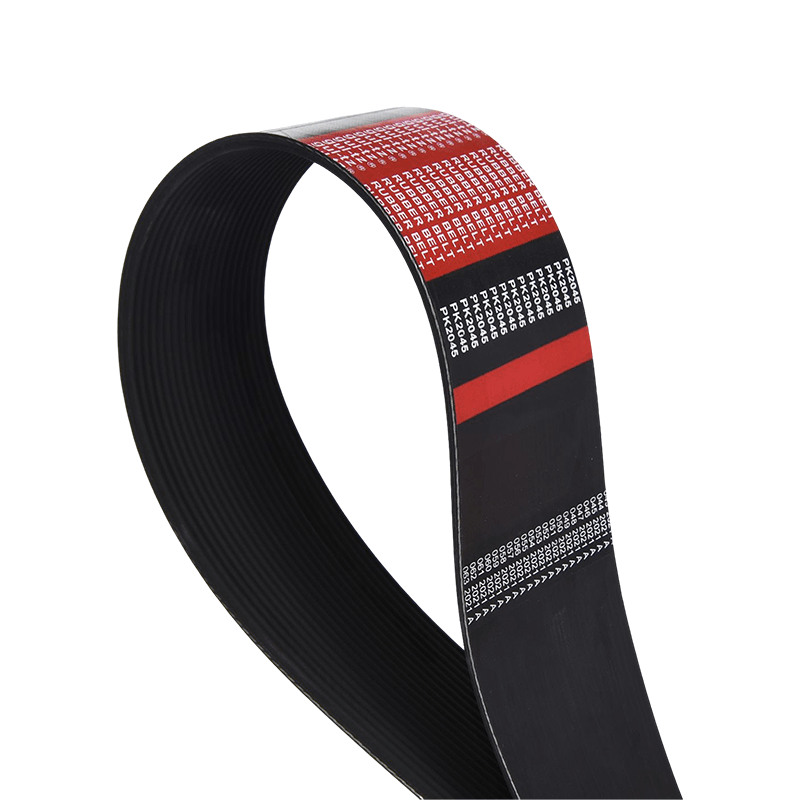
Bordás öv
-
 További megtekintése
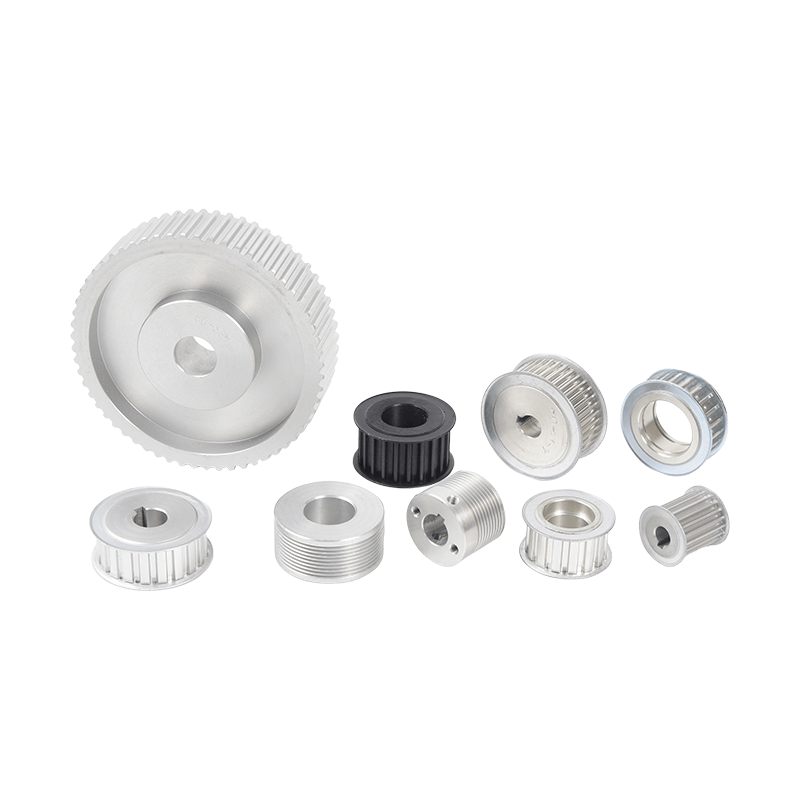
Szinkron szíjtárcsa
-
 További megtekintése
Ívfogú ipari gumi szinkron öv
-
További megtekintése
Autóipari vezérműszíj

 Tel: +86-0574-62498188 62497298
 Fax: +86-0574-62497297
 E-mail:
  Add: No. 65, Middle Jinniu Road, Moushan Town, Yuyao City, Zhejiang tartomány, Kína
Copyright © Ningbo GUL TZ Rubber Belt Co., Ltd. All rights reserved.

